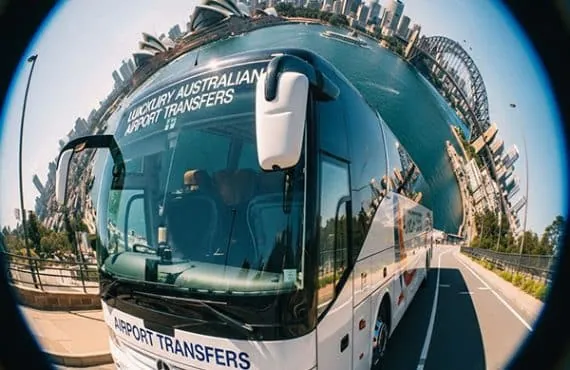

Why Travel Times Are Longer for Bus and Coach Charter Services
When planning group transport, one of the most common misconceptions is the expected travel time between locations. Many passengers assume a minibus or coach will take the same amount of time as a private car travelling from point A to point B. However, several operational, mechanical and logistical factors influence travel duration for accredited bus charter services.
Common Assumptions About Travel Time
Relying on Personal Experience
It is common for passengers to estimate travel time based on their own past journeys. Statements such as, “It has always taken me X amount of time,” are frequently heard when requesting quotes. However, private vehicle travel conditions differ significantly from bus operations, which must comply with regulated speed limits, safety requirements and group coordination.
Using Google Maps as the Benchmark
Google Maps and similar navigation apps generate estimated travel times based on the time and date the search is performed. For example, entering directions on a quiet Sunday afternoon for a trip scheduled on a busy Friday at 4.30 pm can produce wildly inaccurate results. Although Google Maps offers a “depart at” feature, many users are unaware of it.
Factors That Extend Travel Time for Bus Charter Services
1. Group Coordination
Unlike a private car, a charter service relies on an entire group arriving on time. Larger groups increase the likelihood of late arrivals. A scheduled 9.00 am departure may see passengers only beginning to arrive at 9.00 am, and boarding may take an additional 10 minutes or more. A short delay can significantly impact travel time, particularly when departing during or approaching peak-hour traffic.
2. Peak Traffic Conditions
A late departure during commuter periods can add substantial time to the journey. In some cases, a 10-minute delay may result in an extra 30 minutes on the road. Sydney’s traffic congestion, particularly on freeways after 3.00 pm on weekdays, can add an hour or more to outbound travel times.
3. Regulated Speed Limits
In NSW, all accredited bus operators must comply with strict speed-limiter laws. Coaches and minibuses are capped at 100 km/h on all freeways, regardless of posted speed limits. This constraint results in longer travel times compared to private vehicles travelling at higher speeds.
4. Coach Dynamics and Operational Requirements
Coaches are larger, heavier and slower to accelerate and brake, making them naturally slower in built-up areas and heavy traffic. Long-distance services require compulsory rest breaks and occasional stops for passenger comfort, adding extra time to the overall schedule.
Planning Ahead for Accurate Travel Times
If you must arrive at your destination by a specific time, speak with your charter operator. An experienced bus company will understand how traffic, departure times and vehicle type affect journey duration. It is always better to arrive 20 minutes early than risk arriving late.
Practical Tips for Your Next Charter
• If departing Sydney on a weekday, aim to leave before the afternoon peak begins.
• Allow extra time and consult your operator for accurate scheduling.
Planning ahead ensures your group travels comfortably, safely and on schedule.